

If your Apple Pay not showing up in wallet, we’re here to help you out!
Apple Pay is a default service available for all mobile iOS devices, allowing users to set up a quick access payment method by associating a credit or debit card.
You can add, remove, and manage all Apple Pay payment methods through your Apple (iOS) device’s “Wallet” app.
If Apple Pay does not show, re-add the payment method and check the device’s internet connection. If the issue persists, update the iOS version, offload, reload the “Wallet” app, and factory reset your Apple device.
Let’s investigate what causes the issue with Apple Pay!
Why is the Apple Pay Cash Not Showing Up in Wallet?
Your payment method uses Apple Pay’s services to display and become manageable through the “Wallet” mobile application.
Issues with Apple Pay typically occur due to faulty payment or wrong personal information, outdated iOS version or issues with the “Wallet” application.
Here’s a list of why Apple Pay does not appear in the “Wallet” app:
Apple Pay Supported Payment Methods
Apple Pay supports many reliable payment methods to fulfill requests, such as Apple cards, Credit cards, Debit cards, and PayPal addresses.
You can split the price of purchases and add as many payment methods as you’d like for each category.
Before completing a payment request, the service will let you pick one of the added payment methods for completing the transaction.
In addition, you can set up Automatic Paying via one of the added payment methods, to save some time for completing the transactions manually.
Apple Pay Not Showing Up in Wallet – Quick Solutions
Tip: Follow the instructions in consecutive order!
1. Re-Add the Payment Method
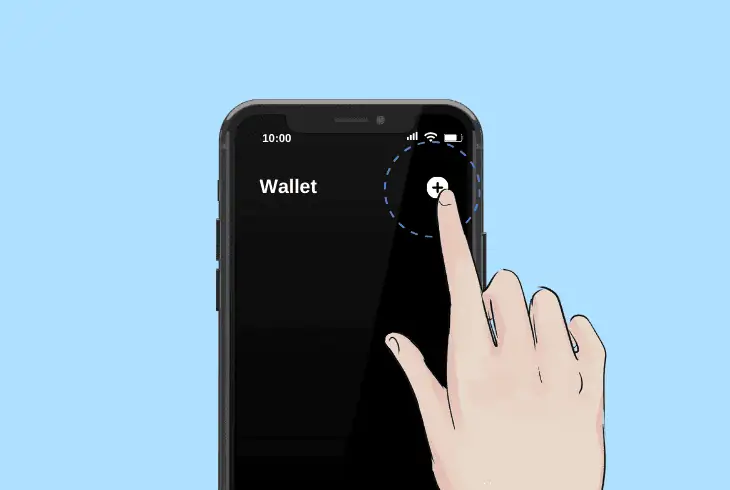
You might have used incorrect transaction details if the payment method does not appear within the “Wallet” app on your Apple Watch, iPhone, or MacBook.
Upon setting up a payment via Apple Pay, you must include the correct personal and payment information, so let’s learn how to do it correctly.
Here are the steps:
- Open the “Wallet” application on your Apple device.
- Tap on the “Plus” icon at the top-right of the page.
- Select your Credit/Debit card under “Add to Wallet.”
- On the next page, fill out the pay transaction forms.
- Next, include the necessary personal information.
- Save all changes and check if the method appears.
Once added, the payment method will appear as a bubble on the home page of the “Wallet” application.
By pressing the bubble once, you can configure the payment preferences, check recent payments, and correct the personal and payment information.
Note: Double-check all the information associated with the payment method!
2. Update the Apple iOS Version
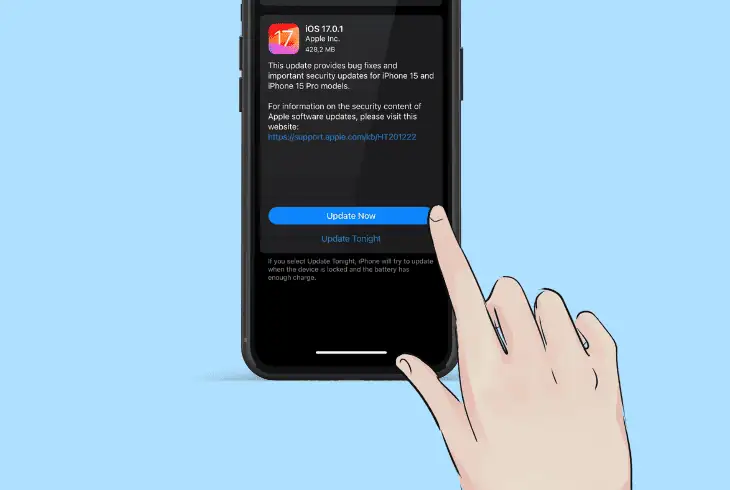
The “Wallet” app is compatible with all operating systems supported by Apple and can be utilized on your Apple Watch, iPhone, MacBook, or iMac.
So, the next step is to update the operating iOS version on your Apple device to restore the functionality of the transactions.
How to Update Apple iOS?
- Open the “Settings” app from the iPhone’s home screen.
- Go to “General” and access the “Software Update:” page.
- Press “Automatic Updates” → “Download iOS Updates.”
- Activate the “Install iOS Updates” feature at the bottom.
- Wait until the iPhone updates to the latest iOS automatically.
How to Update Apple watchOS?
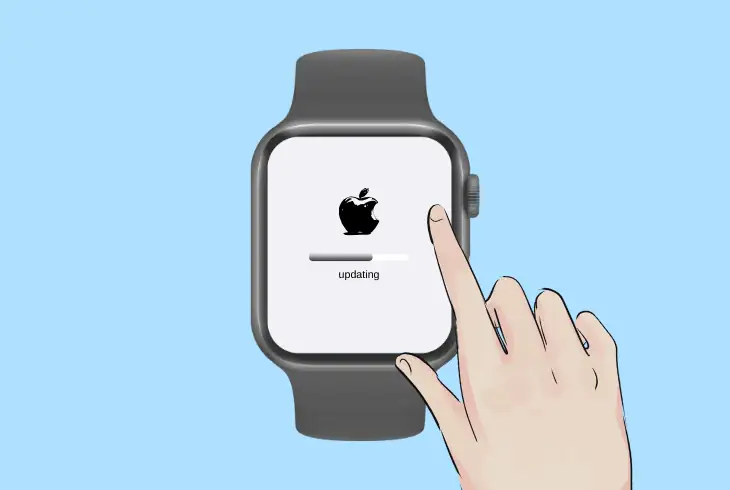
- Make sure that the Apple Watch is connected to Wi-Fi.
- After that, access the “Settings” of your Apple Watch.
- After that, navigate to “General” → “Software Update.”
- Tap “Install” if a software update is currently available.
- Wait until the Apple Watch updates the OS version.
How to Update Apple macOS?
- First, choose the Apple menu icon on the MacBook or iMac.
- Go to “System Settings” and click “General” in the sidebar.
- Click “Software Update” on the right section of the menu.
- Tap on the “Install Update” button if a version is available.
- Wait until your MacBook or iMac device updates the version.
Notice: Your Apple devices must be securely connected to the internet to update!
3. Power Cycle & Recharge the Device
Your Apple mobile could have a temporal issue, preventing it from displaying all registered Apple Pay payment methods available through the “Wallet” application.
The issue can be caused by improperly charged batteries or issues with the temporal memory and settings.
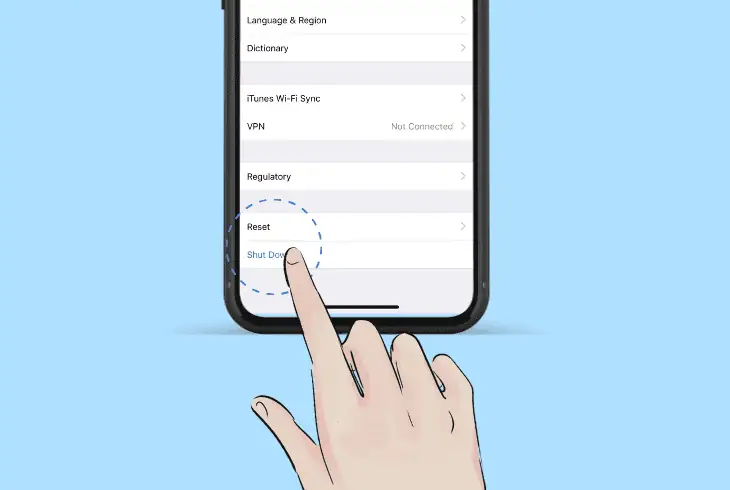
How to Power Cycle Apple iPhone?
- Open the “Settings” app on the iPhone unit.
- Go to “General” → “Power” → “Shut Down.”
- Connect the iPhone to the charging equipment.
- Wait for 30 seconds and turn on the iPhone.
How to Power Cycle Apple Watch?
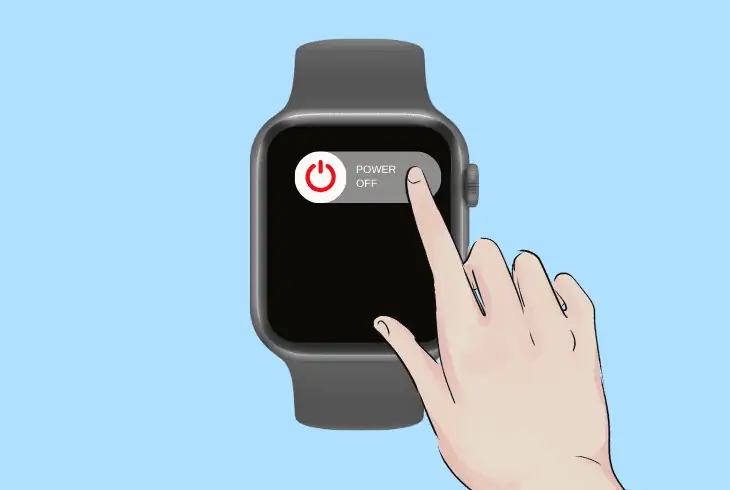
- Hold the “Side” button on the Apple Watch.
- Drag the “Power Off” slider for deactivation.
- Connect the Apple Watch to the charger.
- Turn on the Apple Watch after 40 seconds.
How to Power Cycle Apple MacBook/iMac?
- Tap on the Apple menu at the top left.
- Choose the “Shut Down” action button.
- Connect the MacBook/iMac to the charger.
- Turn on the Apple device after 30 seconds.
Note: Ensure the Apple device has reached at least 70% battery capacity!
4. Add Method from “Previous Cards”
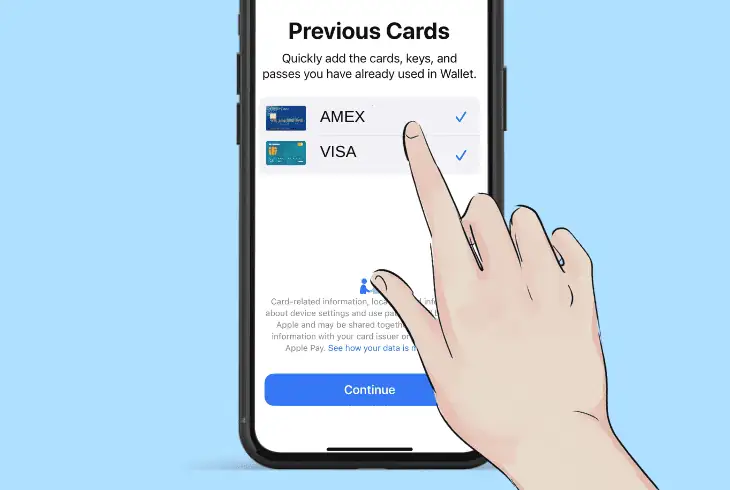
If you’ve recently removed Apple Pay’s registered payment method, you can quickly re-add all the previously associated personal and payment details.
After launching the “Wallet” app on your mobile device, locate the “Previous Cards” section on the top and pick a payment method.
If you’ve had multiple transaction options associated with Apple Pay, you can review all the details and potentially re-add one of the payment methods.
Note: You can delete the payment history or remove a method from the “Previous Cards” tab!
5. Offload the “Wallet” Application
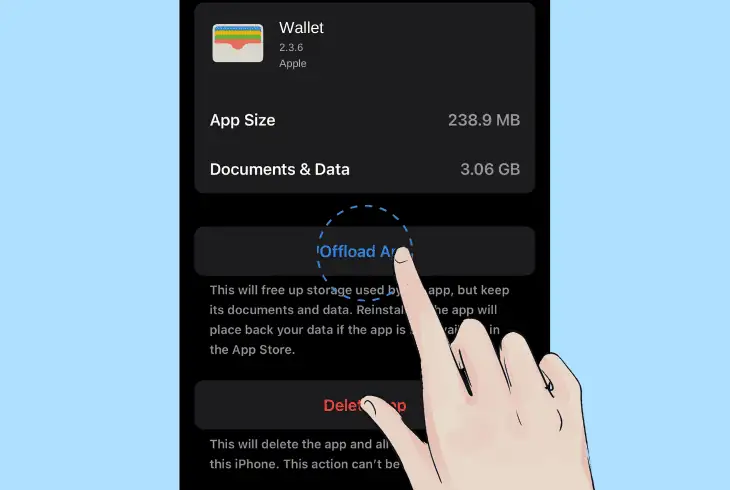
All iOS mobile devices use the “Wallet” application to set up third-party transactions and manage payment methods.
Offloading the “Wallet” app and then loading it on your iOS device again holds the greatest potential for restoring the functionality.
Info: This method uninstalls the app without removing your data!
Follow these simple instructions to offload the default “Wallet” application:
- From the home screen, open the iOS “Settings” application.
- Scroll down in the home section and loc